The best evening skincare routine order for overnight skin repair
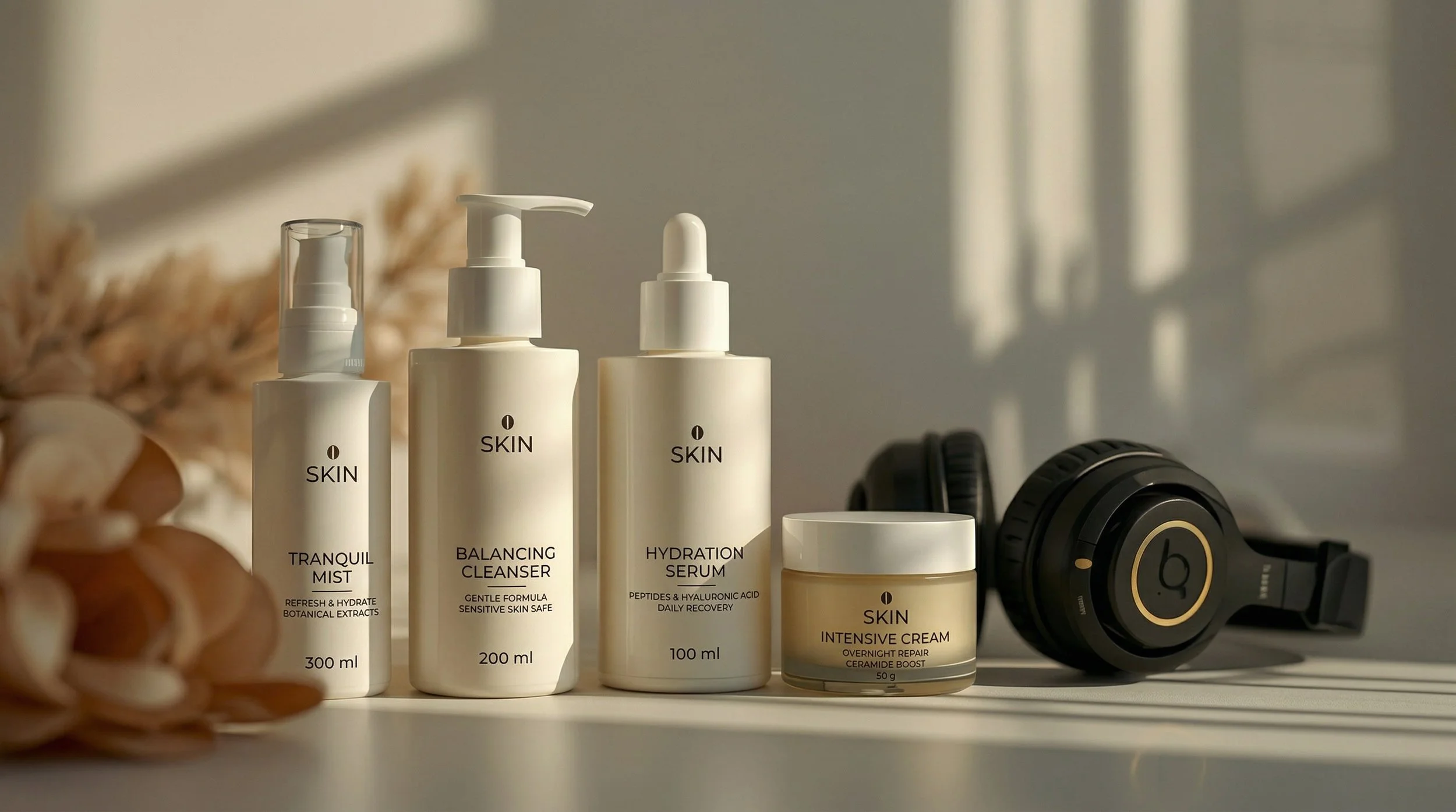
Every evening skincare guide starts the same way. Step 1: cleanse. Step 2: tone. Step 3: serum. Step 4: moisturise. Maybe an eye cream. Maybe a mask. The order varies slightly but the pattern doesn't. Everything begins with a product on your skin.
There's a step missing before all of that, and it has nothing to do with what you put on your face.
Your skin repairs overnight. Your body decides how well.
Your skin follows a circadian rhythm. During the day it focuses on protection. At night it shifts into repair mode: cell turnover accelerates, collagen production peaks, blood flow to the skin increases, and the body releases growth hormone during deep sleep to drive tissue restoration. This is why every skincare brand tells you that nighttime is when your products work hardest.
What they don't mention is that the effectiveness of overnight repair depends on what state your nervous system is in when you go to bed. If you're still running on cortisol from the day (from work stress, screen time, a difficult conversation, or just the general hum of being switched on for sixteen hours), your body doesn't cleanly switch into repair mode. Cortisol suppresses growth hormone release. It constricts blood vessels, reducing the flow that delivers nutrients to your skin. It increases inflammation, which actively works against the repair processes your night serum is trying to support.
The products can only do their job within the conditions your body provides. A face flushed with stress and a nervous system still in fight-or-flight is a less hospitable environment for overnight repair than a face that's calm, warm from good circulation, and attached to a body heading toward deep rest.
The missing first step
Before you cleanse, before you tone, before you reach for the retinol: calm down. Literally. Bring your nervous system from the sympathetic state (alert, reactive, cortisol-driven) into parasympathetic dominance (calm, restorative, ready for sleep). This transition is the foundation everything else sits on.
You can do this in different ways. Five minutes of slow breathing. A body scan meditation. Lying down with your eyes closed doing nothing. The specific method matters less than doing it before you start applying products, rather than hoping sleep will sort it out later.
A guided frequency routine is the most structured approach. Specific sound frequencies (binaural beats in the theta and delta ranges, solfeggio tones at particular frequencies) have been associated with measurable reductions in cortisol and shifts toward parasympathetic activation. Five to ten minutes of listening through headphones while lying down can change your physiological state before the first drop of serum touches your skin. The research on this is covered on our science page.
The complete evening routine, reordered
Here's the evening skincare routine with the missing step put back where it belongs. Everything else stays the same. The addition is what comes first.
Skin Resonance includes evening routines designed to slot into your skincare as the calming first step. Try a free 10-minute session to feel how it changes the rest of your routine.
Try it freeWhy this order works
The conventional routine order (cleanse, treat, seal) is correct for the products. Nothing here changes that. What changes is what comes before it.
By calming your nervous system before you cleanse, you create three conditions that compound through every subsequent step. Your blood vessels dilate, improving circulation and enhancing delivery of the active ingredients you apply. Your facial muscles release habitual tension (particularly in the jaw and forehead), which means your microcurrent device and red light mask work on relaxed, receptive tissue. And you're setting up the nervous system transition that determines how deeply you sleep, which is where the most significant overnight repair happens.
A 2015 study in Clinical and Experimental Dermatology found that chronic poor sleep was associated with increased signs of skin ageing and slower recovery from UV damage. Growth hormone, which drives collagen synthesis and tissue repair, is released primarily during slow-wave deep sleep. Delta brainwave frequencies support this sleep stage. The connection between your pre-bed nervous system state and the quality of sleep that follows is the mechanism that ties the whole routine together.
If you only change one thing
You don't need to overhaul your routine. If your current products work, keep them. If your current order works, keep it. The one change worth trying is adding five to ten minutes of deliberate calm before you start. Lie down, close your eyes, breathe slowly. If you want structure, follow a guided frequency routine through headphones. If you don't, just rest in silence.
The difference isn't dramatic on the first night. It's cumulative. Over weeks, better blood flow during product application plus deeper sleep equals a measurably different environment for overnight repair. Your skin will show the results long before you consciously connect them to the part of the routine where you weren't doing anything visible at all.
The Skin Resonance app includes twelve concern-based frequency routines. The Ageing and Elasticity routine is designed for pre-sleep collagen support. The Stressed, Breakout-Prone routine targets the cortisol-inflammation chain. Each has a "With skincare" version that times your tools into the frequency session. All routines end with a gentle audio fade to support the transition into sleep.
Skin Resonance is available at skinresonance.com for €15. Launch price, one-time purchase, all routines, all future updates.
Or try the free 10-minute routine first →